

1 кг портативный сухой порошок огнетушитель
Cat:DCP/FOAM/WATER FIREWISHER
1 кг портативный сухой порошковой огнетушитель - это безопасное устройство, используемое для выпуска небольших пожаров в аварийных ситуациях. Его в...
Смотрите детали
+86 13857576559
The neck thread specification of a Steel Seamless Gas Cylinder is standardized according to regional and international norms — most commonly conforming to ISO 11363-1 (25E taper thread) in Europe and international markets, or NGT (National Gas Taper) threads in North America. Valve protection is achieved through either a removable steel cap, an integrated valve guard collar, or a recessed neck design, depending on the cylinder's intended application and transport conditions. Understanding both aspects is critical for safe operation, regulatory compliance, and equipment compatibility.
The neck thread on a Steel Seamless Gas Cylinder is the primary mechanical interface between the cylinder and its valve, making dimensional precision and standard compliance non-negotiable. A mismatched or non-compliant thread can result in gas leakage, valve cross-threading, or catastrophic failure under pressure.
The most widely referenced standard globally is ISO 11363-1, which defines taper threads with a 1:16 taper ratio. The most common designation under this standard is the 25E thread, featuring a 25 mm nominal diameter and a pitch of 14 threads per inch (TPI). This thread form is predominantly used across Europe, Asia, and international industrial applications.
In North America, the CGA (Compressed Gas Association) system governs valve-to-cylinder connections. Different CGA outlet numbers are assigned based on gas type — for example, CGA 540 for oxygen and CGA 580 for nitrogen — and the cylinder neck thread itself typically follows 3/4″–14 NGT (National Gas Taper) specifications.
| Standard | Thread Type | Nominal Diameter | Taper Ratio | Typical Region |
|---|---|---|---|---|
| ISO 11363-1 (25E) | Taper | 25 mm | 1:16 | Europe, Asia, International |
| NGT (CGA System) | Taper | 3/4″ | 1:16 | North America |
| BS 341 (UK) | Taper / Parallel | Varies | Varies | United Kingdom |
| GB/T 8335 (China) | Taper | PZ27.8 | 1:16 | China |
Thread engagement depth is another critical parameter. For ISO 25E threads, a minimum engagement of 8 full threads is typically required to ensure a pressure-tight, mechanically secure connection. Insufficient engagement — even by 2–3 threads — can reduce the joint's pressure resistance by over 40%, posing a severe safety risk at working pressures above 200 bar.
The distinction between taper and parallel threads is fundamental when selecting or inspecting valves for a Steel Seamless Gas Cylinder. The vast majority of high-pressure seamless cylinders use taper threads, where the thread diameter increases progressively along the axis. This design creates a metal-to-metal interference fit as the valve is tightened, providing an inherently pressure-tight seal without relying solely on a gasket or O-ring.
Parallel threads, by contrast, maintain a constant diameter and depend on a separate sealing element (such as a face seal or O-ring) to achieve gas tightness. While parallel threads offer easier assembly and disassembly, they are less common in high-pressure steel seamless cylinder necks due to the additional sealing component dependency.
The valve of a Steel Seamless Gas Cylinder is its most mechanically vulnerable component. A dropped or impacted cylinder can shear the valve at the neck, instantly converting the cylinder into an uncontrolled projectile — a well-documented hazard in industrial environments. Valve protection design directly mitigates this risk.
The most prevalent protection method involves a threaded steel cap that screws directly onto the cylinder neck, fully enclosing the valve. This design is mandated during transport by ADR (European Agreement for Dangerous Goods by Road) and IATA regulations. The cap must be rated to withstand impact forces equivalent to the cylinder falling from at least 1.2 meters, as per EN ISO 11117 requirements.
Many modern Steel Seamless Gas Cylinders — particularly those used in medical, laboratory, and specialty gas applications — feature a permanently welded or formed steel collar around the neck. This collar stands proud of the valve body, absorbing lateral and axial impact forces before they can reach the valve stem. Guard collars are often found on cylinders with working pressures of 200 to 300 bar and are especially common in cylinder sizes from 10 L to 50 L water capacity.
In this configuration, the cylinder's top section is manufactured with an extended, recessed shoulder such that the valve sits below the outer rim of the cylinder neck. This elegant engineering solution provides inherent valve protection without any removable parts, reducing the risk of lost caps and ensuring protection is always in place. Recessed neck designs are common in European industrial cylinders compliant with EN 1964.
| Protection Type | Removable | Best For | Key Standard |
|---|---|---|---|
| Threaded Steel Cap | Yes | Transport, storage, general industrial | EN ISO 11117 |
| Integral Collar / Guard | No | Medical, laboratory, high-pressure service | EN 1964, ISO 9809 |
| Recessed Neck | No | European industrial, compact cylinders | EN 1964 |
Thread degradation is one of the most under-inspected failure modes for a Steel Seamless Gas Cylinder. Over the operational life of a cylinder — which can span 15 to 30 years depending on the standard — the neck threads are subjected to repeated valve installation and removal cycles, exposure to contaminants, and mechanical impacts. Each of these factors can compromise thread integrity.
Common thread defects that warrant cylinder rejection include:
During periodic inspection (typically every 5 years under ISO 6406 for seamless steel cylinders), thread gauging using calibrated plug and ring gauges is performed to verify that thread form, pitch, and taper remain within tolerance. A cylinder with condemned threads must be permanently decommissioned, as re-threading the neck is not permitted under most regulatory frameworks.
Correct valve installation torque is essential to preserving the thread integrity of a Steel Seamless Gas Cylinder over its service life. Under-torquing can allow micro-leakage paths to develop at the thread interface, while over-torquing risks stripping threads or inducing stress concentrations in the neck.
Valve manufacturers typically specify installation torque values in the range of 150 to 300 Nm for ISO 25E taper threads on high-pressure cylinders, though exact values depend on the valve body material (brass vs. stainless steel) and thread lubricant used. The use of calibrated torque wrenches is mandatory in professional cylinder filling and maintenance operations.
Best practices for valve installation on a Steel Seamless Gas Cylinder include:
Transport regulations impose strict requirements on the valve protection status of a Steel Seamless Gas Cylinder during shipment. Under ADR 2023 (applicable across most of Europe), cylinders containing gases of any hazard class must have the valve protected by a cap, collar, or equivalent device whenever they are not directly in use. Failure to comply can result in shipment rejection and regulatory penalties.
Similarly, the IATA Dangerous Goods Regulations for air freight and IMDG Code for sea transport both require that valves on pressurized cylinders be protected against accidental opening and mechanical damage throughout the entire transport chain. This requirement applies regardless of whether the cylinder is full or empty, as residual pressure and the mechanical hazard of valve shear remain relevant concerns.
For users operating across multiple jurisdictions, it is advisable to specify cylinders with integral collar or recessed neck protection rather than relying solely on removable caps, which can be lost or omitted during busy operational cycles. This design choice simplifies compliance and enhances inherent safety without adding operational complexity.
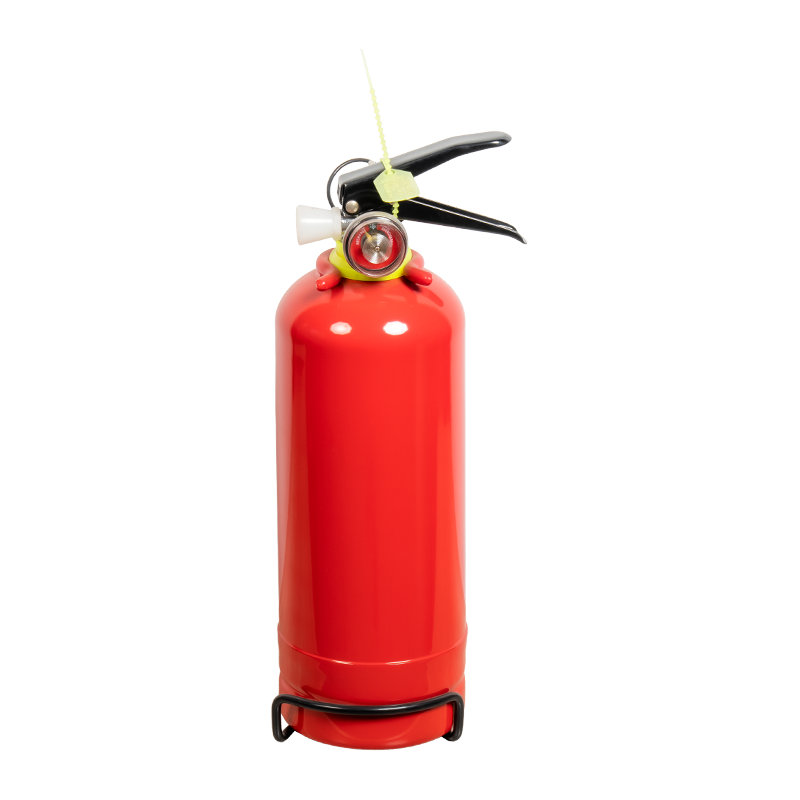
1 кг портативный сухой порошковой огнетушитель - это безопасное устройство, используемое для выпуска небольших пожаров в аварийных ситуациях. Его в...
Смотрите детали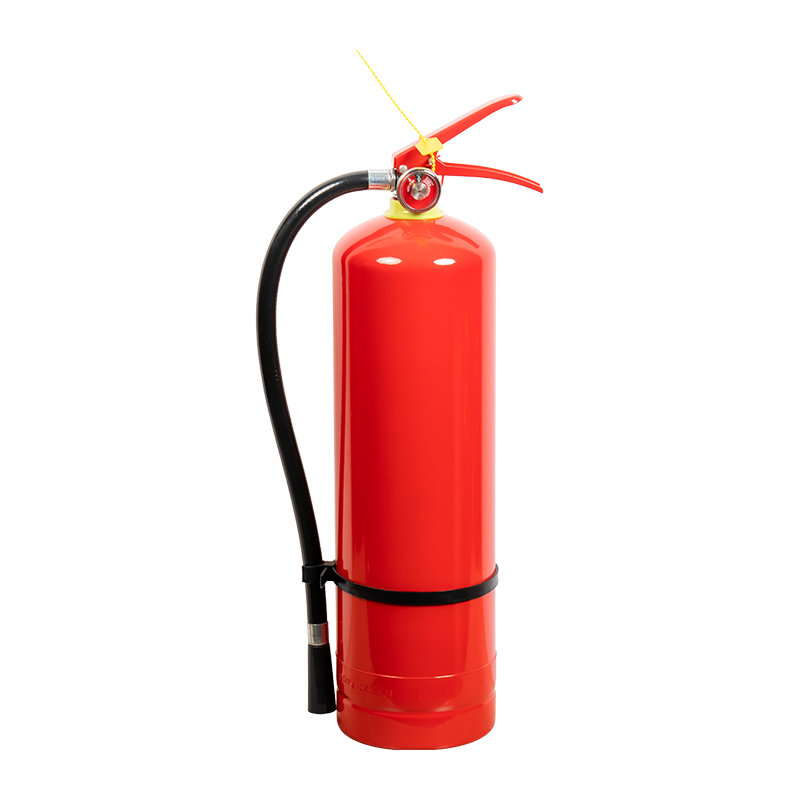
Портативное огнетушитель с из нержавеющей стали 6 кг - это огнетушительное устройство, подходящее для погашения различных небольших пожаров. Сухой ...
Смотрите детали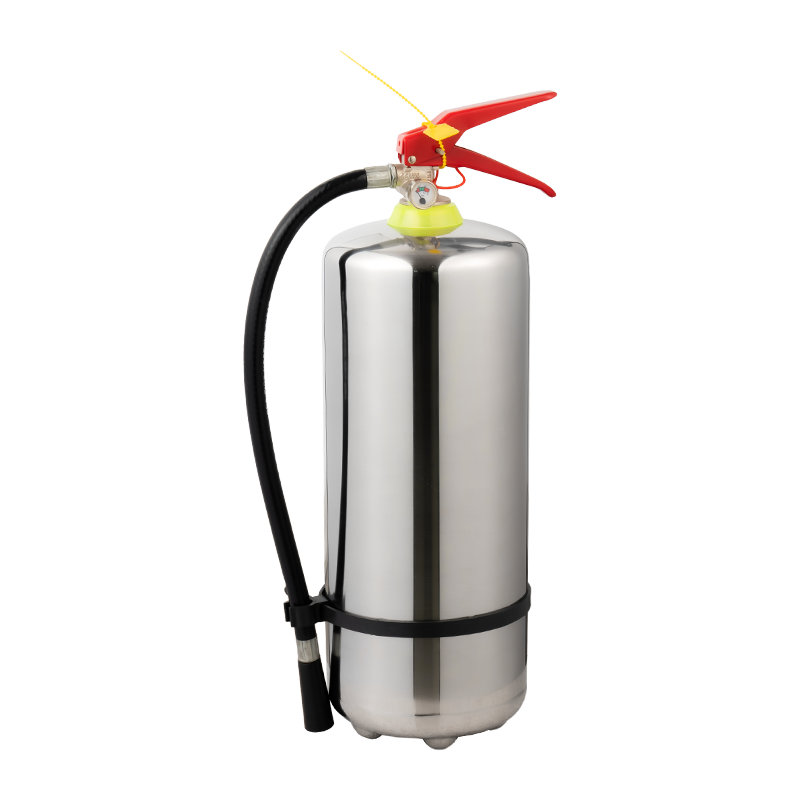
304 Огнетушитель из нержавеющей стали 6-х годов-это профессионально спроектированное огнетушительное оборудование, изготовленное из высококачествен...
Смотрите детали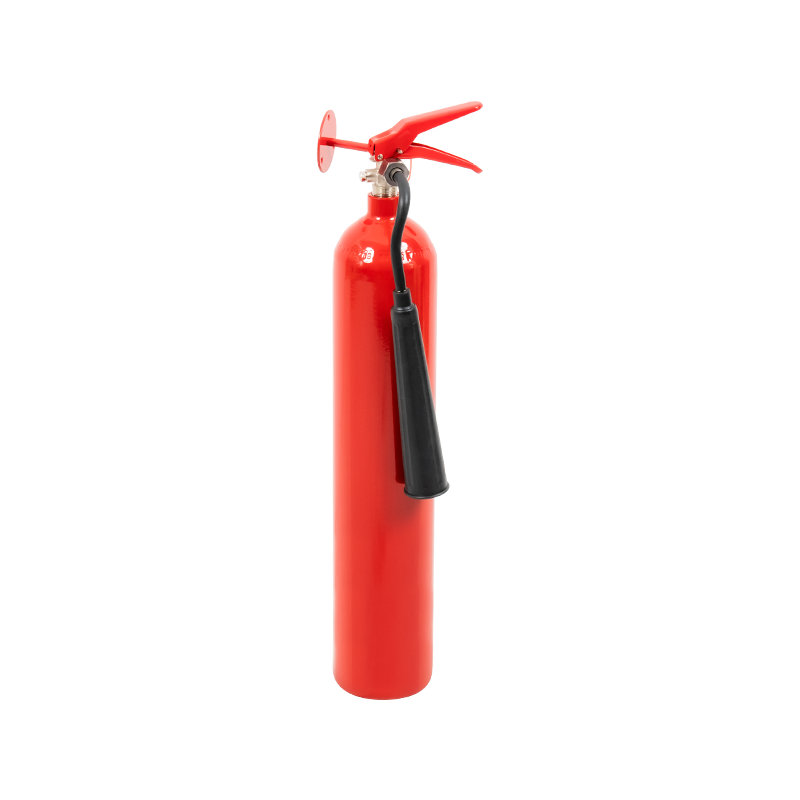
Портативный стальной огнетушитель 3 кг - это пожарное устройство, предназначенное для борьбы со всеми типами пожаров. Изготовленная из стали CK45, ...
Смотрите детали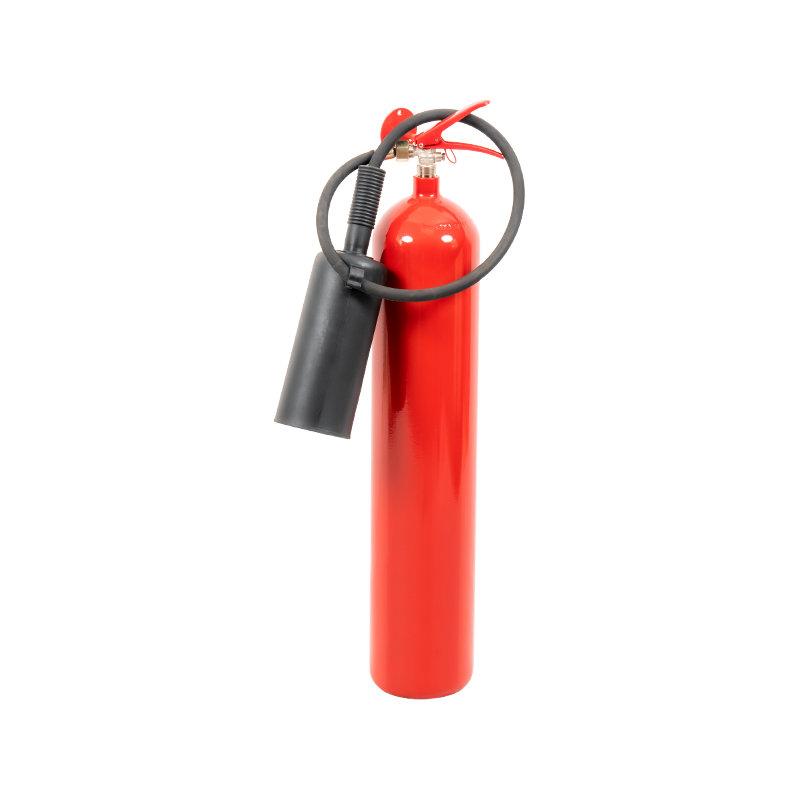
5 -килограммовый пожарный огнетушитель углекислого газа в течение 5 кг может работать в широком температурном диапазоне от -30 ° C до 60 ° C, чтобы...
Смотрите детали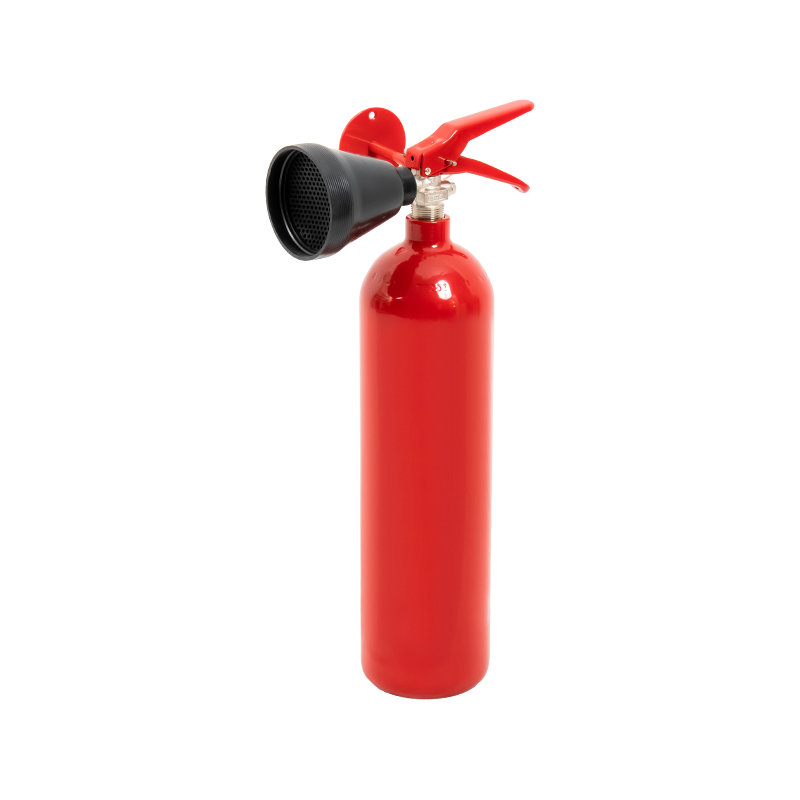
2 -килограммовый портативный огнетушитель CE - это пожарное устройство, предназначенное для быстрого отклика и погашения небольших пожаров. Он изго...
Смотрите детали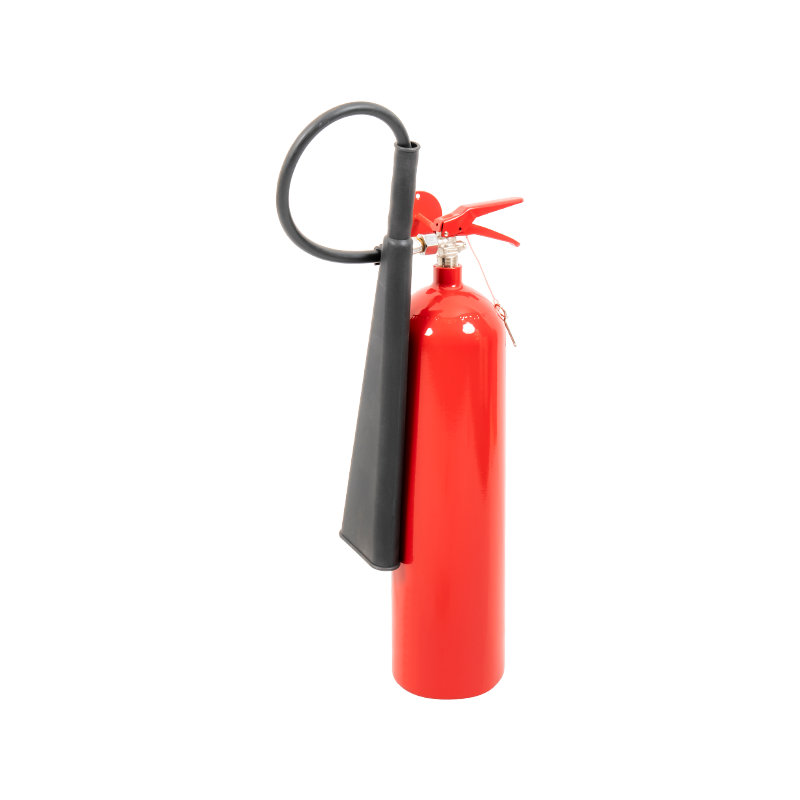
5 -килограммовый Oftingwiseer подходит для различных применений, в том числе на фабриках, производственных линиях и складах. Огнетушитель CO2 5 кг ...
Смотрите детали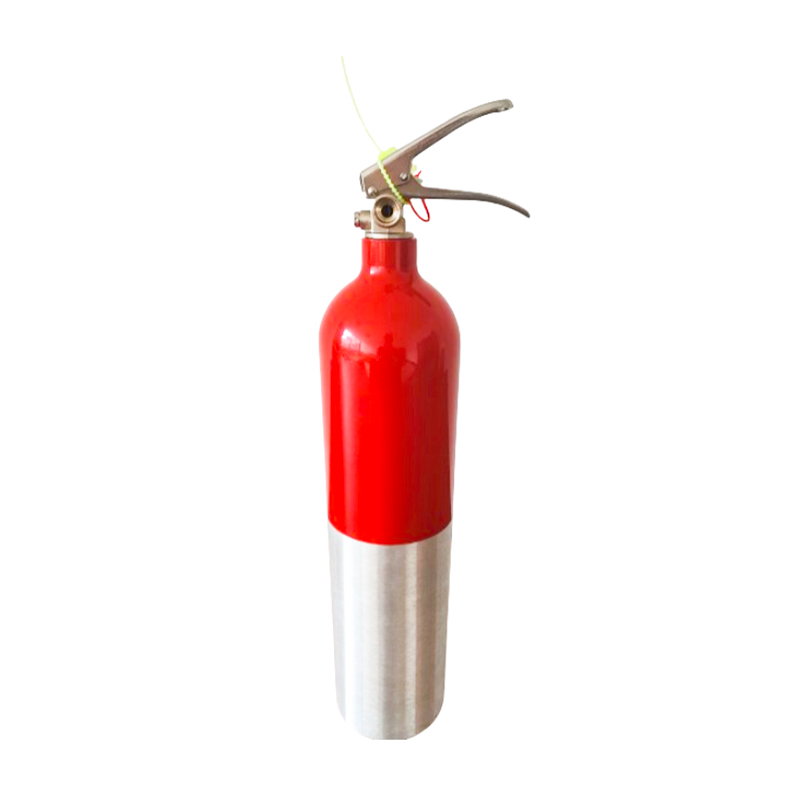
Портативный алюминиевый огнетушитель 5 кг является эффективным и надежным огнетушительным оборудованием, подходящим для потребностей в пожарной защ...
Смотрите детали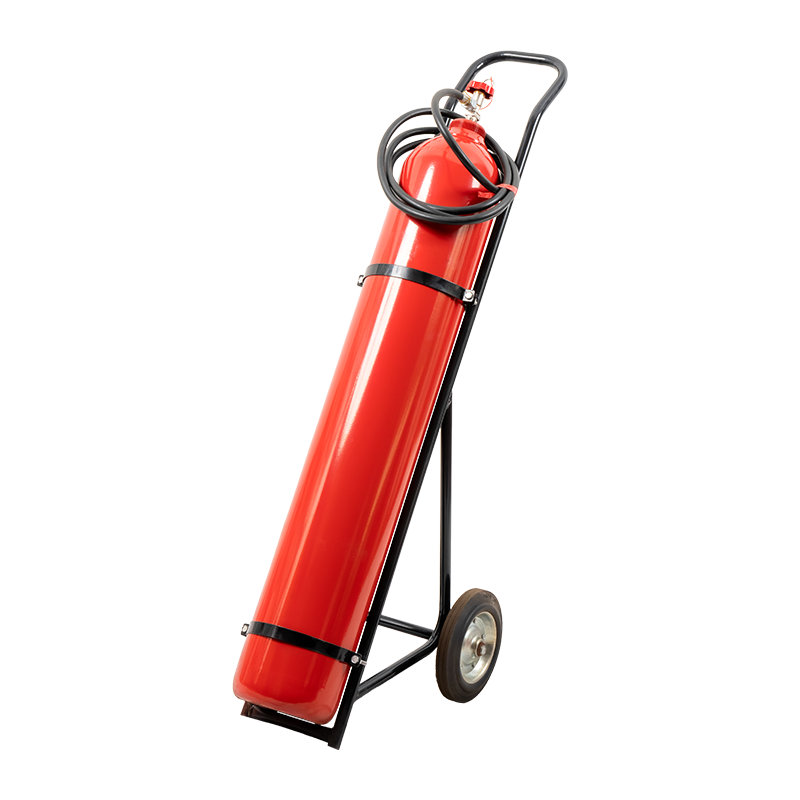
10-километровый стальной корзин, монтажный CO2 Fire Edtingtinguisher представляет собой портативный инструмент пожарной борьбы, состоящий из большо...
Смотрите детали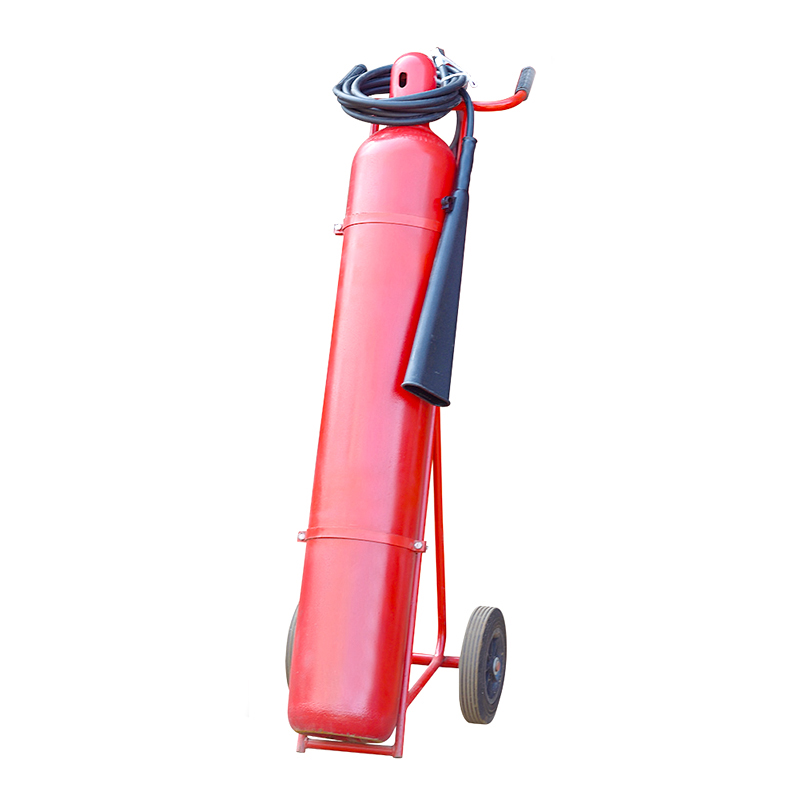
Mobile Fire Octinguisher Trolley Trolley Mobile представляет собой оборудование для борьбы с огнем с высокой пропускной способностью, предназначенн...
Смотрите детали
Zhejiang Yongshang Pressure Vessel Co., Ltd. Был основан в 2016 году. Это современное предприятие, интегрирующее исследования и разработки, производство и продажи, специализирующиеся на производстве сухого порошка, тележек, огнетушителей углекислого газа, бесшовных стальных цилиндров и алюминиевых бутылок.

+86 13857576559


Деревня Чжухай, город Гайбей, район Шангю, город Шаоксинг, провинция Чжэцзян, Китай
Copyright © Zhejiang Yongshang Pressure Vessel Co., Ltd.
